andrew@freelanceseoessex.co.uk
Ilford gives commuters two rail routes into London and quick roads out to Essex. The Elizabeth line can get you to Liverpool Street in around 15 minutes. The Central line runs from Gants Hill and Newbury Park, and the A12 and A406 are close by if you drive.
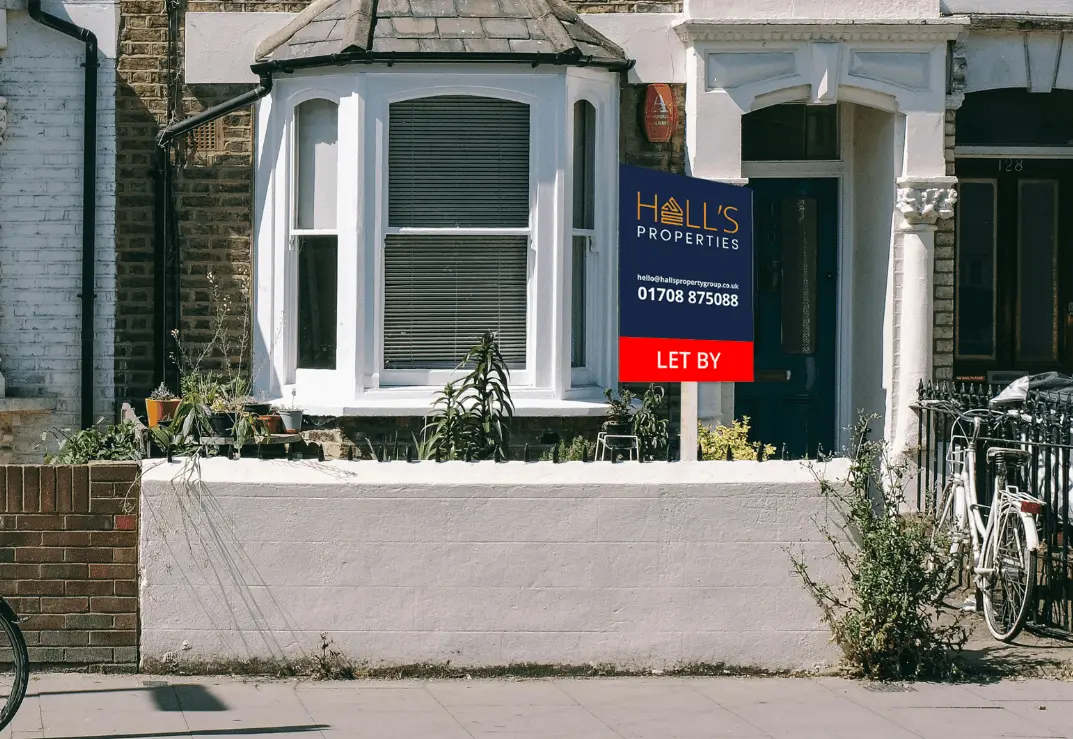
A good commute on paper isn’t always a good commute in practice, though. Where you work, when you travel and how far you live from the station all make a difference, so it’s worth testing the journey before you sign a tenancy or make an offer.
Getting Into Central London
The Elizabeth Line
Ilford, Seven Kings and Goodmayes stations are all on the Elizabeth line, in Zone 4. Trains run straight through Liverpool Street, Farringdon, Tottenham Court Road and Bond Street to Paddington. Some carry on to Heathrow, so many central London journeys need no change at all. Off-peak, around eight trains an hour head towards central London from Ilford.
Ilford station was rebuilt in 2022 with lifts from the street to the platforms, which helps if you travel with a pushchair, a bike or luggage. If you work in Canary Wharf, change at Whitechapel.
The Central Line
If you live in the north of the area, around Gants Hill, Newbury Park or Barkingside, a Central line station may be closer to your door than the Elizabeth line. It’s slower to the West End, but it calls at Stratford, Liverpool Street, Bank and Oxford Circus, which suits plenty of City workers.
Whichever line you use, check your actual route on the TfL Journey Planner at the times you’ll travel, and look out for planned engineering works, which often close lines at weekends.
Travelling Across East London and Essex
Not everyone commuting from Ilford is heading into central London. Eastbound Elizabeth line trains run to Romford, Brentwood and Shenfield, where you can change for Greater Anglia services to Chelmsford and beyond. Heading the other way, Stratford connects you to the Jubilee line, the DLR and the Overground.
Buses link Ilford with places the trains don’t reach easily, such as Barking, Romford and King George Hospital in Goodmayes, although traffic can slow them down at peak times. Cycling can work well for shorter trips, especially if your workplace has secure bike storage and showers.
Ilford is close to the A12 and the A406 North Circular, with the M11 a short drive away, so driving can make sense for jobs in Essex or outer London. Driving into central London is a different story. You’ll pay the £18 daily Congestion Charge. If your car doesn’t meet the emissions standards, the ULEZ charge also applies across the whole of London, Ilford included.
Peak-Time Travel and Daily Costs
A journey advertised as 20 minutes rarely takes 20 minutes door to door. Add the walk to the station, the wait for a train, any change and the walk at the other end. At rush hour, a packed platform can mean letting a train or two go past.
Ilford is in Zone 4, so a daily trip into Zone 1 costs more than it would from Forest Gate or Stratford. Check pay as you go fares and the daily and weekly caps on the TfL fares page and ask your employer about season ticket loans or a Cycle to Work scheme. If you drive, add fuel, parking, insurance and any ULEZ or Congestion Charge costs.
Then compare the monthly total for each route. A cheaper rent-a-bus ride from the station can end up costing you more than a flat five minutes’ walk away.
Finding the Right Fit for Your Working Pattern
If you’re in the office five days a week, living within a short walk of a station is worth paying a bit more for. A hybrid worker who goes in twice a week might happily accept a longer journey in exchange for an extra bedroom or a garden.
If you work early or late shifts, check the first and last trains on your route. If your hours vary, find a backup route too, so one cancelled train doesn’t leave you stuck.
Choosing a Property in Ilford
Your commute is only one part of the decision. Think about local shops, parking, schools and how far each property really is from the station, not just how far the listing says it is.
Speaking to letting agents in Ilford can help you shortlist homes near the right station. Tell them where you work, your budget and how you like to travel, and they can point you towards the streets that suit your commute.
Contact Halls Property Group
Ilford has strong links into London and out to Essex, but the right spot depends on your own route. Test the journey at the time you’ll travel, check the fares and budget for the whole trip, not just the time shown on the map.
If you’re planning a move, contact Halls Property Group for local advice on renting or buying in Ilford. Call us on 01708 398009 or email hello@hallspropertygroup.co.uk, tell us where you work, and we’ll help you find a home that makes the commute easier.